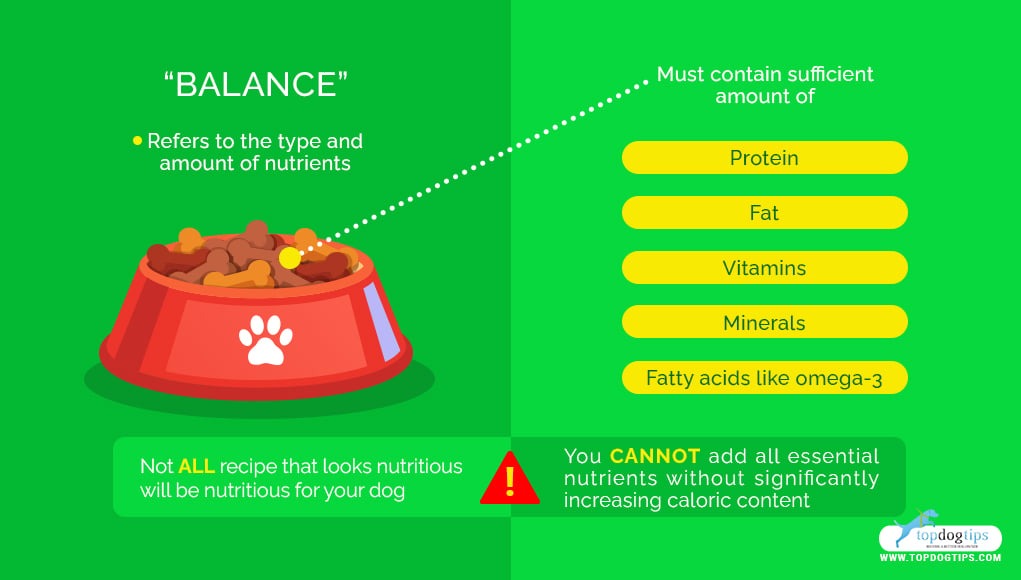
Ensuring your dog receives a well-balanced diet is essential for their overall health and well-being. Just like humans, dogs require a mix of nutrients to thrive. Building a balanced diet for your canine companion involves understanding their nutritional needs and making informed choices. Let’s explore the key components of a healthy dog diet.
Protein: The Foundation of Canine Nutrition
Protein is crucial for your dog’s muscle development, immune system, and overall energy. Quality sources of protein include meat, poultry, fish, and eggs. Ensure that the protein you provide is appropriate for your dog’s size, age, and activity level. Consult your veterinarian to determine the right protein ratio for your furry friend.
Carbohydrates: A Vital Energy Source
Carbohydrates play a significant role in providing energy for your dog’s daily activities. Opt for whole grains like brown rice, oats, and quinoa, as well as vegetables like sweet potatoes and carrots. These complex carbohydrates offer sustained energy and essential fiber for digestive health.
Fats: Healthy Fats for a Shiny Coat
Including healthy fats in your dog’s diet is essential for a glossy coat and overall skin health. Sources of healthy fats include fish oil, flaxseed, and chicken fat. Be mindful of the quantity, as too much fat can lead to obesity. The right balance contributes to a healthy coat and supports your dog’s immune system.
Vitamins and Minerals: A Nutrient Boost
Vitamins and minerals are vital for various physiological functions in your dog’s body. A diverse diet with a mix of fruits and vegetables provides essential micronutrients. Vitamin-rich options include blueberries, apples, and leafy greens, while minerals can be sourced from foods like spinach and broccoli. If needed, your veterinarian may recommend supplements to fill any nutritional gaps.
Water: The Ultimate Hydration
Water is a crucial component of your dog’s diet. Ensure your furry friend always has access to fresh, clean water. Hydration is key for digestion, nutrient absorption, and temperature regulation. Monitor your dog’s water intake, especially during hot weather or increased physical activity.
Avoid Harmful Foods: A Cautionary Note
Certain foods can be toxic to dogs, including chocolate, onions, garlic, and grapes. Be cautious about feeding your dog from your plate, as some human foods can be harmful to them. Consult your veterinarian if you’re unsure about the safety of a particular food.
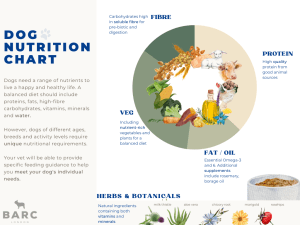
Building a balanced diet for your dog requires a combination of high-quality proteins, carbohydrates, healthy fats, vitamins, minerals, and ample hydration. Tailor your dog’s diet to their specific needs, considering factors such as age, size, and activity level. Regular check-ups with your veterinarian will help ensure that your furry friend is receiving the nutrition necessary for a happy and healthy life.