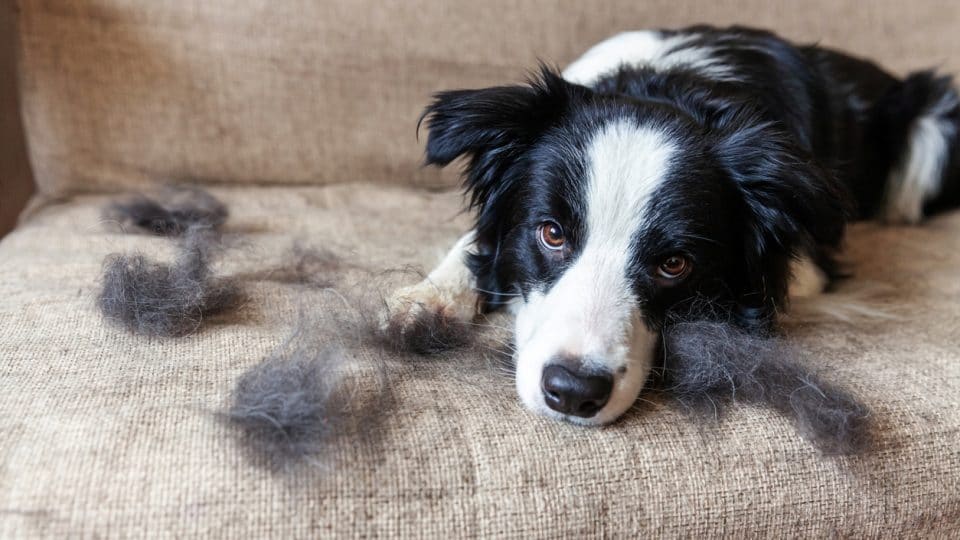
As dog owners, dealing with shedding can be a constant battle. From finding hair on furniture to lint rolling our clothes, it’s a struggle that many of us face. Shedding is a natural process for dogs, but there are strategies you can implement to manage it effectively and keep your home and clothes relatively fur-free.
Firstly, it’s essential to understand why dogs shed. Shedding is a natural mechanism for dogs to get rid of old or damaged hair and make way for new growth. While some breeds shed more than others, factors such as age, health, and season can also influence the amount of shedding. For example, dogs tend to shed more in the spring and fall as they prepare their coats for the changing temperatures.
One of the most effective strategies for managing shedding is regular grooming. Brushing your dog’s coat not only removes loose hair but also distributes natural oils, which can help keep the coat healthy and reduce shedding. The frequency of brushing depends on your dog’s breed and coat type. Breeds with longer or thicker coats may require daily brushing, while shorter-haired breeds may only need brushing a few times a week.
Choosing the right grooming tools is crucial for effectively managing shedding. Slicker brushes, deshedding tools, and grooming gloves are popular options that can help remove loose hair and reduce shedding. It’s essential to use gentle, pet-safe brushes and tools to avoid irritating your dog’s skin.
In addition to regular brushing, bathing your dog with a high-quality, moisturizing shampoo can help reduce shedding. Be sure to rinse thoroughly to remove any loose hair and residue from the coat. However, it’s essential not to over-bathe your dog, as this can strip their skin of natural oils and potentially exacerbate shedding.
Another strategy for managing shedding is maintaining a healthy diet for your dog. A balanced diet rich in essential nutrients, vitamins, and omega-3 fatty acids can promote healthy skin and coat, reducing excessive shedding. Consult with your veterinarian to determine the best diet for your dog’s specific needs.
Regular veterinary check-ups are also essential for managing shedding. Underlying health issues such as allergies, hormonal imbalances, or skin infections can contribute to excessive shedding. Your veterinarian can diagnose and treat any underlying conditions that may be causing your dog to shed more than usual.
Finally, keeping your home clean and minimizing the impact of shedding on your surroundings is essential. Invest in a good-quality vacuum cleaner designed for pet hair to effectively remove hair from carpets, furniture, and other surfaces. Washing your dog’s bedding regularly can also help reduce the spread of hair throughout your home.
Shedding is a natural process for dogs, but there are effective strategies you can implement to manage it and keep your home clean. Regular grooming, proper nutrition, veterinary care, and maintaining a clean environment are key components of a comprehensive shedding management plan. By following these tips, you can minimize shedding and enjoy a fur-free home with your beloved canine companion.