
Allergies are not exclusive to humans; dogs and cats can also suffer from them. Identifying and treating allergies in our furry companions is essential for their well-being. Here are 10 common allergies and treatment options for dogs and cats:
Here are 10 common allergies in pets and their treatment:
1. Flea Allergy Dermatitis:
– Symptoms: Intense itching, hair loss, skin inflammation.
– Treatment: Use flea preventatives regularly, keep the pet’s environment clean, and consult a veterinarian for appropriate medications.
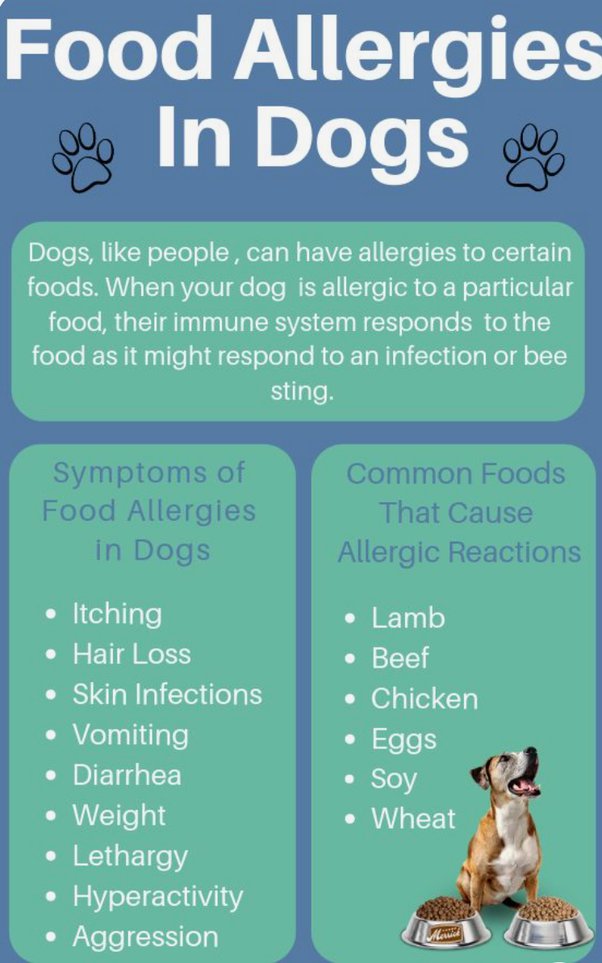
2. Food Allergies:
– Symptoms: Itching, gastrointestinal issues, ear infections.
– Treatment: Identify and avoid allergenic ingredients, switch to hypoallergenic or limited-ingredient diets based on a veterinarian’s recommendation.
3. Environmental Allergies (Atopy):
– Symptoms: Itching, red and inflamed skin, recurrent ear infections.
– Treatment: Minimize exposure to allergens by keeping the living environment clean, using air purifiers, and discussing allergy shots or medications with a veterinarian.
4. Contact Allergies:
– Symptoms: Skin redness, itchiness, inflammation at the site of contact.
– Treatment: Identify and remove the offending substance, use hypoallergenic grooming products, and consider medication as advised by a veterinarian.
5. Inhalant Allergies (Pollens, Dust Mites):
– Symptoms: Sneezing, coughing, watery eyes, itching.
– Treatment: Reduce exposure by keeping pets indoors during peak allergy seasons, vacuuming regularly, using air filters, and using veterinarian-prescribed antihistamines or immunotherapy.
6. Medication Allergies:
– Symptoms: Rash, facial swelling, vomiting, difficulty breathing.
– Treatment: Cease medication immediately and consult a veterinarian. In severe cases, emergency medical attention might be necessary.
7. Mold Allergies:
– Symptoms: Coughing, wheezing, nasal discharge, skin irritation.
– Treatment: Identify and remove mold from the environment, improve ventilation, and consult a veterinarian for medication options.
8. Insect Allergies (e.g., Bee stings):
– Symptoms: Swelling, hives, difficulty breathing, collapse (in severe cases).
– Treatment: Remove the stinger if present, apply a cold compress, and seek immediate veterinary care if the pet’s condition worsens.
9. Chemical Allergies (Cleaning products, pesticides):
– Symptoms: Skin irritation, vomiting, respiratory distress.
– Treatment: Avoid using harsh chemicals around pets, opt for pet-friendly alternatives, and consult a veterinarian if ingestion occurs.
10. Seasonal Allergies:
– Symptoms: Itchy skin, red eyes, sneezing, paw licking.
– Treatment: Minimize outdoor activity during peak seasons, clean pet’s paws after walks, use veterinarian-recommended antihistamines, and consider immunotherapy if symptoms persist.
Remember, early detection and professional advice from a veterinarian are crucial in managing pet allergies. It’s essential to tailor the treatment to your pet’s specific needs and ensure their overall well-being.